Recognizing the early signs of gambling addiction
Understanding Gambling Addiction
Gambling addiction, often termed compulsive gambling or pathological gambling, is a behavioral disorder that affects individuals’ ability to control their gambling habits. This addiction can lead to significant financial, emotional, and social consequences. It’s essential to understand that gambling is not just a matter of luck; it can become an obsession that disrupts daily life. Identifying the early signs can pave the way for timely intervention and support. Many believe that luck plays a role, yet skill can also be a factor, much like in real money poker, where strategy and chance intertwine.
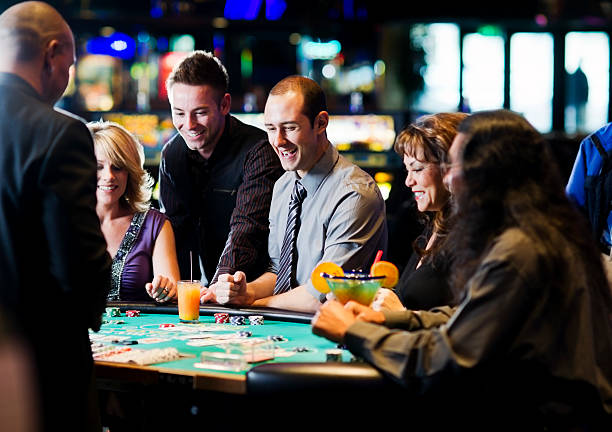
The allure of gambling often stems from the thrill of winning, but for some, this excitement can spiral into an uncontrollable urge. Many individuals mistakenly believe they can win back losses, which fuels a cycle of continued gambling. Recognizing these patterns early can help individuals and their loved ones take proactive measures to combat addiction.
Common Early Signs
One of the primary early signs of gambling addiction is a preoccupation with gambling activities. Individuals may find themselves constantly thinking about their next bet or recalling past wins. This obsession can interfere with everyday responsibilities, such as work or family obligations, leading to neglect in various areas of life. The more one prioritizes gambling over essential activities, the more concerning the situation becomes.
Another critical sign is the need to gamble with increasing amounts of money. Initially, individuals might engage in small wagers, but as their tolerance for gambling grows, they may seek out larger bets to achieve the same thrill. This escalation can quickly lead to financial difficulties and increased stress, making it crucial to monitor gambling behavior closely.
The Emotional Impact
Gambling addiction doesn’t just affect the financial aspect of an individual’s life; it also takes a significant emotional toll. Those struggling with this addiction often experience feelings of guilt, anxiety, and depression. The emotional highs of winning can be followed by devastating lows, especially when losses accumulate. Understanding this emotional rollercoaster is vital for recognizing the depth of the problem.
Moreover, individuals may isolate themselves from friends and family as their gambling escalates. This withdrawal can exacerbate feelings of loneliness and despair, making it harder to seek help. Open communication about gambling habits can encourage individuals to share their struggles and seek support from loved ones.
The Role of Luck vs. Skill
In gambling, the perception of luck versus skill is a critical factor that can influence one’s gambling behavior. Many individuals believe they can control their outcomes through skill, which can lead to increased gambling frequency. This misbelief often propels people deeper into addiction, as they feel confident in their ability to win.
It’s essential to understand that while some games involve skill, most gambling activities are predominantly based on chance. Recognizing this distinction can help individuals reflect on their gambling habits and the motivations behind them. Those who struggle with understanding this balance are often at greater risk of developing an addiction.
Getting Help and Support
Recognizing the early signs of gambling addiction is the first step toward recovery. If you or someone you know exhibits these behaviors, seeking help is crucial. There are numerous resources available, including counseling services and support groups that specialize in gambling addiction. Professional help can provide the necessary tools to cope with the addiction and regain control over one’s life.
Additionally, educating oneself and loved ones about gambling addiction can foster a supportive environment. Open discussions about gambling habits can reduce stigma and encourage individuals to seek the help they need. Remember, reaching out for support is a sign of strength and an essential step on the road to recovery.
Leave a Reply